Produktübersicht


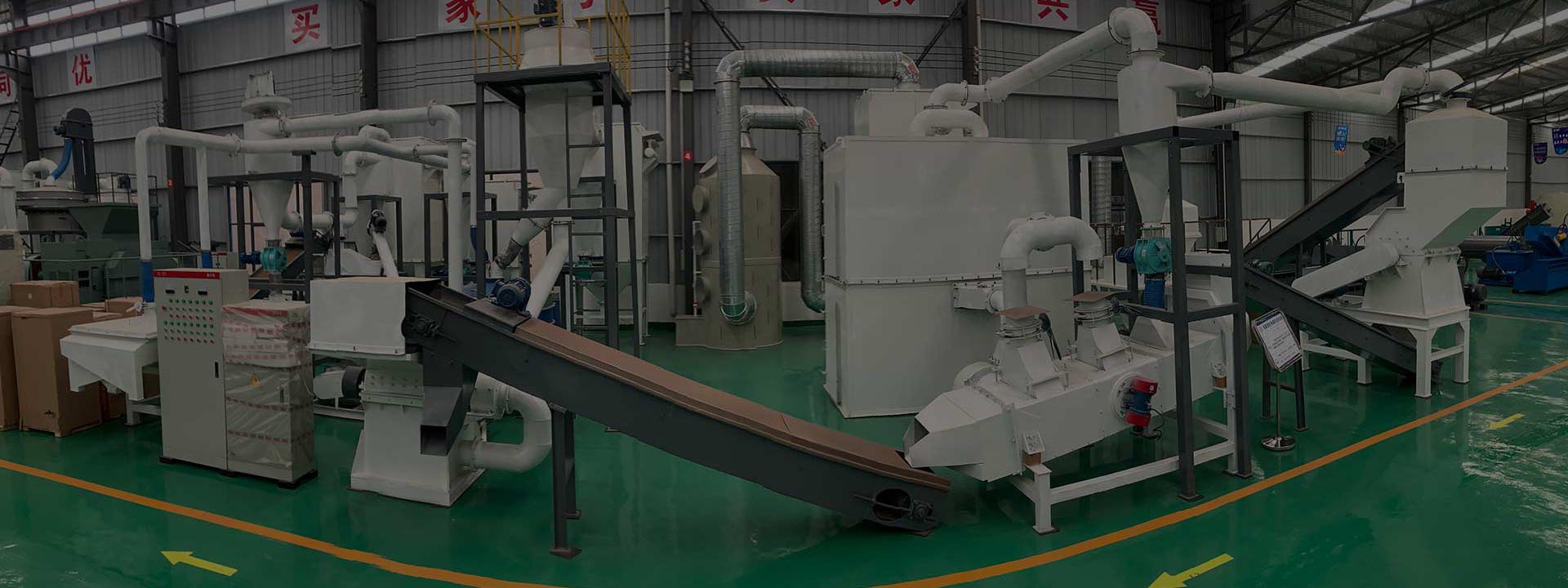

Anlagenkapazität: 0,2–2 Tonnen/StundeAnlagenkapazität: 0,2–2 Tonnen/Stunde
Stromversorgung: Drehstrom 380 V/50 Hz, 200 kVAGeeignet für Altbatterien der Größe (mm): 600 × 600
Lithium-ion battery (referred to as lithium battery, English name: Lithium Cell) its has a large specific capacity, high voltage, long service life and no memory effect and other significant features, in recent years, the commercialization of rapid and convenient rapid occupation of the new energy power market of portable electronic technology equipment, and with the rapid development of new energy vehicles, the annual production increases year by year. Lithium batteries are electronic consumables, the service life is generally 3 years. End-of-life lithium batteries, if not effectively treated or improperly disposed of, waste lithium batteries among the lithium hexafluorophosphate, organic carbonate, as well as cobalt, copper and other heavy metals. Therefore, it will certainly cause some pollution to the environment. On the other hand, the substances in used lithium batteries: cobalt, lithium, copper and plastic are all resources with high recycling value. Therefore, the effective recycling and separation of used lithium batteries, scientific treatment, not only can bring significant environmental benefits, but also bring better economic benefits. Lithium battery is mainly composed of positive electrode, negative electrode, shell, electrolyte and diaphragm for structural combination. The positive electrode is composed of lithium cobalt powder coated on both sides of the aluminum foil collector through PVDF, which acts as a bonding agent; the negative electrode structure is similar to the positive electrode, composed of carbon powder bonded on both sides of the copper foil collector. According to the characteristics of different structure of lithium battery positive electrode, Xingmao Environmental Protection is composed of crushing and screening, then airflow sorting process, through which effective separation research is carried out, thus realizing the effective separation and recovery of aluminum and black powder of used lithium battery positive electrode.


Das positive Schrottstück gelangt zur Zerkleinerung in den Spezialbrecher, und das zerkleinerte Material gelangt zur ersten Sortierung in den Analysator, wo die Mischung aus Metall und schwarzem Pulver zum Sieben in das Linearsieb gelangt, wobei das Metallaluminium aus der oberen Schicht, das positive Pulver aus der unteren Schicht und die Mischung aus Metallaluminium und positivem Pulver aus der mittleren Schicht austritt; anschließend gelangt die Mischung zum Mahlen in die Mühle, und das gemahlene Material gelangt in den Sammler und wird zum Sieben an das rotierende Vibrationssieb abgegeben.
|
Fütterungsplattform |
Q235 |
1500 |
|
Pieces |
1 |
1 |
1 |
|
|
Brecher |
Q235 |
1000 |
55 |
Set |
1 |
5.7 |
5.7 |
|
|
Analysegeräte |
Q235 |
1200 |
2.2 |
Set |
1 |
2.8 |
2.8 |
|
|
Linearsieb |
Q235 |
3000 |
2*0.75 |
Set |
1 |
3.2 |
3.2 |
|
|
Mühle |
Q235 |
1000 |
37 |
Set |
1 |
4.6 |
4.6 |
|
|
Sammler |
Q235 |
400 |
0.75 |
Pieces |
1 |
0.8 |
0.8 |
|
|
Rotationssieb |
Q235 |
800 |
1.1 |
Pieces |
1 |
1.8 |
1.8 |
|
|
Hochdruck-Saugzugventilator |
Q235 |
F15 |
1.5 |
Pieces |
1 |
1.2 |
1.2 |
|
|
Sammler |
Q235 |
800 |
0.75 |
Pieces |
2 |
1.2 |
2.4 |
|
|
Impuls-Staubabscheider |
Q235 |
MC-64 |
|
Set |
1 |
4.8 |
4.8 |
|
|
Impuls-Staubabscheider |
Q235 |
MC-48 |
|
Set |
1 |
4 |
4 |
|
|
Gebläse |
Q235 |
F75 |
7.5 |
Set |
1 |
1.6 |
1.6 |
|
|
Gebläse |
Q235 |
F11 |
11 |
Set |
1 |
2.6 |
2.6 |
|
|
Schaltschrank |
|
800 |
|
Set |
1 |
1.5 |
1.5 |
|
|
Schaltschrank |
|
800 |
|
Set |
1 |
1.5 |
1.5 |
 Maschine zum Recycling von Lithium-Batterien
Recyclingmaschine für ausgediente Lithium-Batterien
 Maschine zum Recycling von Lithium-Batterien
Hohe Recycling-Effizienz und hohe Verarbeitungskapazität
 Maschine zum Recycling von Lithium-Batterien
Hohe Recycling-Effizienz und hohe Verarbeitungskapazität
E-mail Address:
xingmequipment@gmail.comOnline-Hotline:0371-85617266
WhatsApp:+86 18695875708
Address: 237 Provincial Road and Venture Avenue, Beishankou, Gongyi City, Henan Province , China
Xingmao Machinery ist ein lithium battery recycling machine Batterie-Recyclingmaschine Herstellerwerk.
Alle Rechte vorbehalten © 1995-2026
Gongyi Xingmao Machinery Co., Ltd. All rights reserved.